

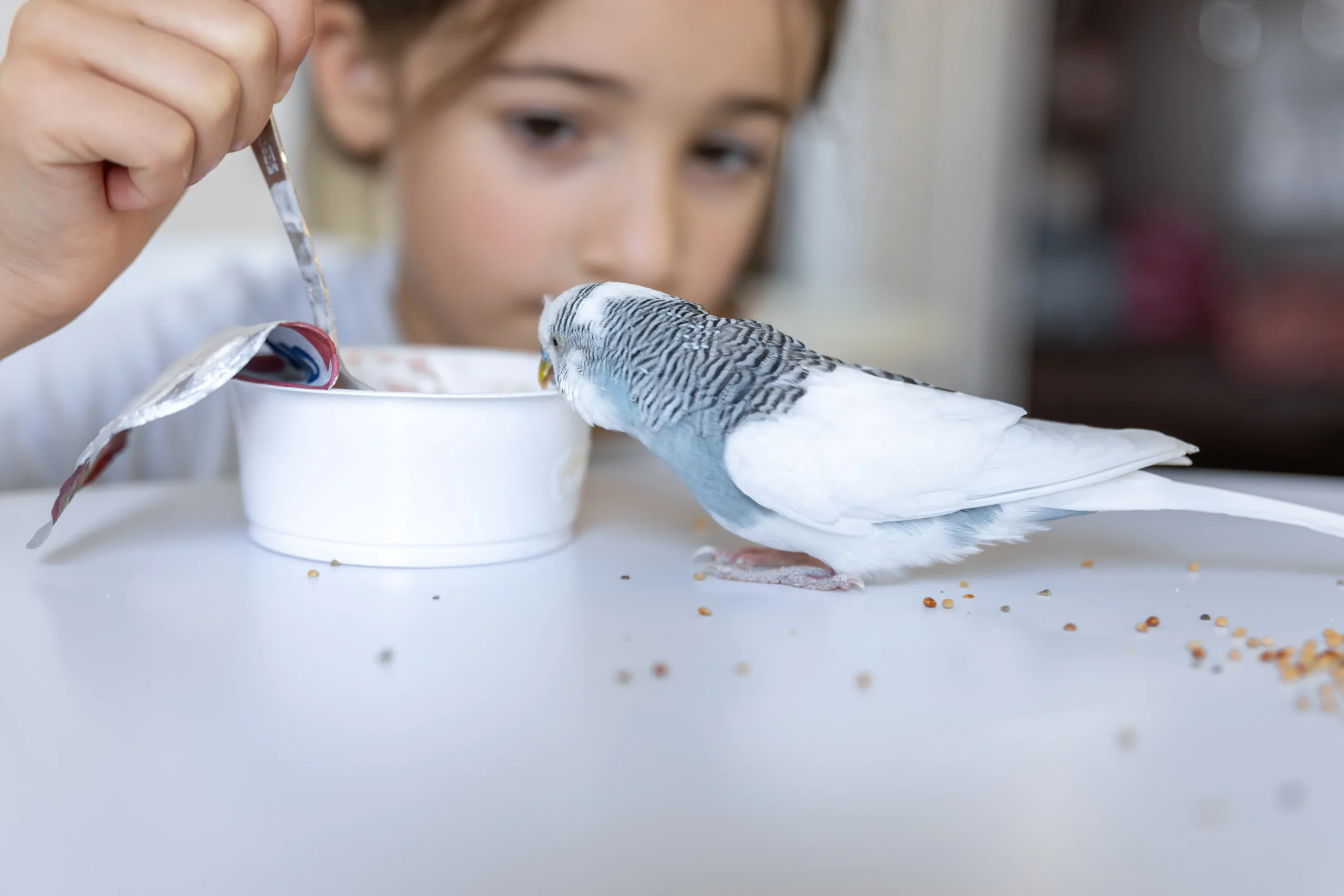
There are very diverse feeding patterns of birds that indicate their adaptability and diversity. The diets of these are determined by their habitat, food availability and their physical attributes like beak size and shape.
Other birds are also herbivores whose food is primary seeds, fruits, and plants. These birds usually possess tough and short bills that are meant to crack seeds or to pick fruits. They are significant in the seed spread, which assists in the growth of plants.
Birds of prey are also referred to as carnivorous birds, which feed and predate on small animals including rodents, fish and insects. Their beaks are sharp and they have powerful talons which assist them to trap and feed on their prey.
Birds that are insectivores nourish on insects. The birds are useful in regulating the number of bugs hence they are useful in agriculture and in the ecosystems. They usually possess narrow beaks which enable them to trap insects with ease.
Omnivorous birds feed on vegetable and animal food. This is a flexible diet that enables them to concentrate on various environments and food supply.
There are specialized feeders of birds. To illustrate, nectar feeding birds possess lengthy beaks which enable them get deep into flowers. These are birds that also promote pollination.
The feeding behavior is also subject to change depending on the environmental conditions. There are those birds that switch their foods with the season and those who save their food to use in the future.
There are various methods of finding food among birds. One or another searches the ground, another catches food in the air or a dive into water. This relies on the conditions in which they are found and their physical capabilities.
The survival is strongly correlated with the feeding habits. During breeding and migration, birds need to locate sufficient food that would provide them with energy.
Feeding habits of the birds can be affected by human activities. The destruction and pollution of habitats may decrease the availability of food, which has an impact on the bird population.
The knowledge of the feeding practices contributes to the conservation of the bird species and the ecological balance. Birds are significant to the ecosystem, and their feeding habitats lead to the stability of the environment.